Product Configurator Software
Custom-made for your business
We build custom product configurators for manufacturers and ecommerce teams, covering the customer-facing interface, the rules behind it, and the integrations that make it work. Our projects go live in weeks, not quarters.
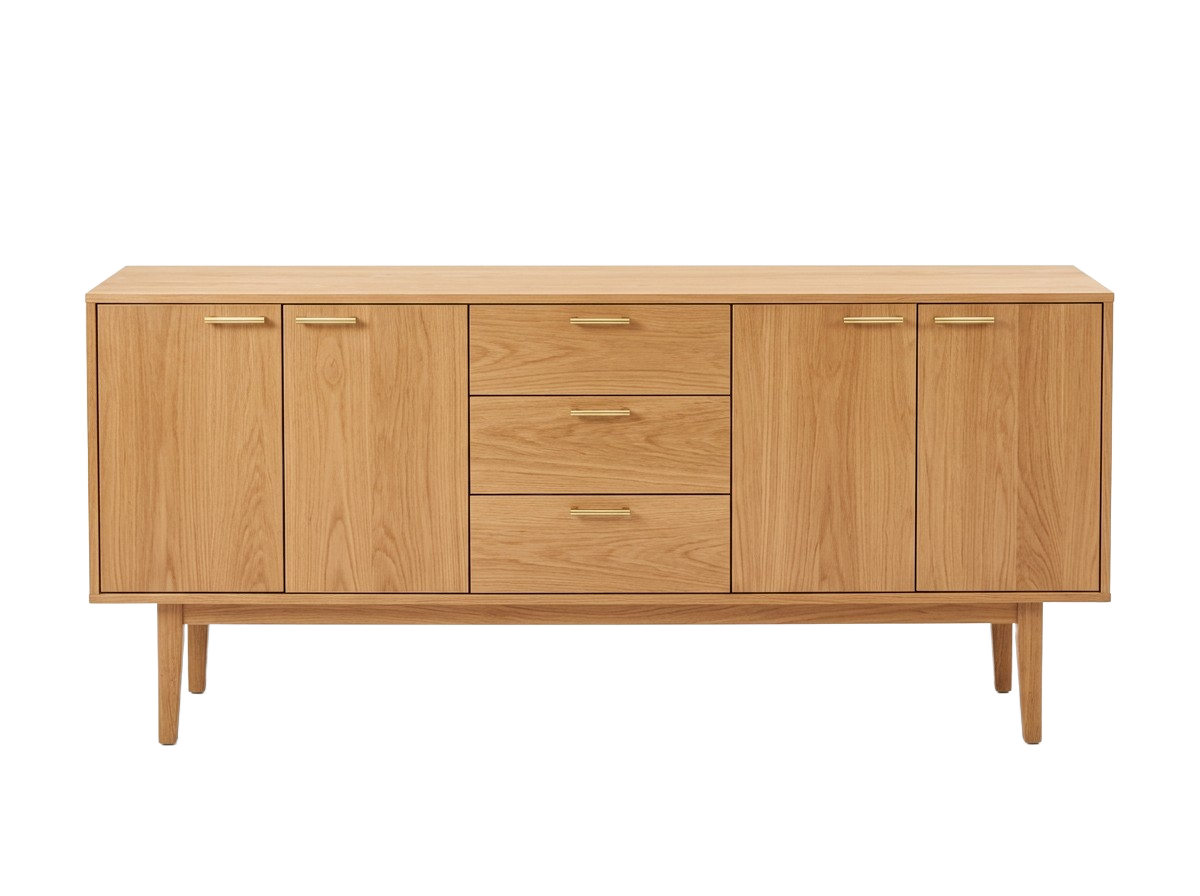
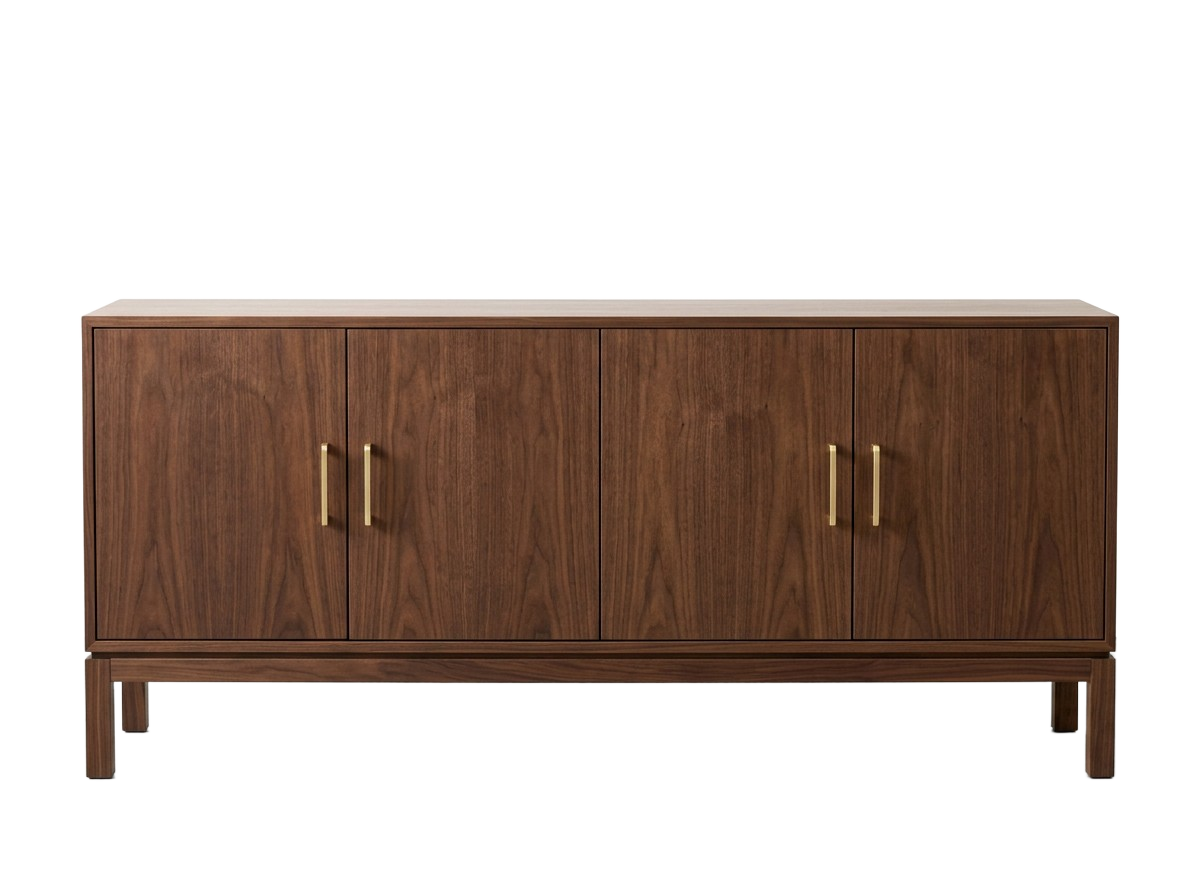
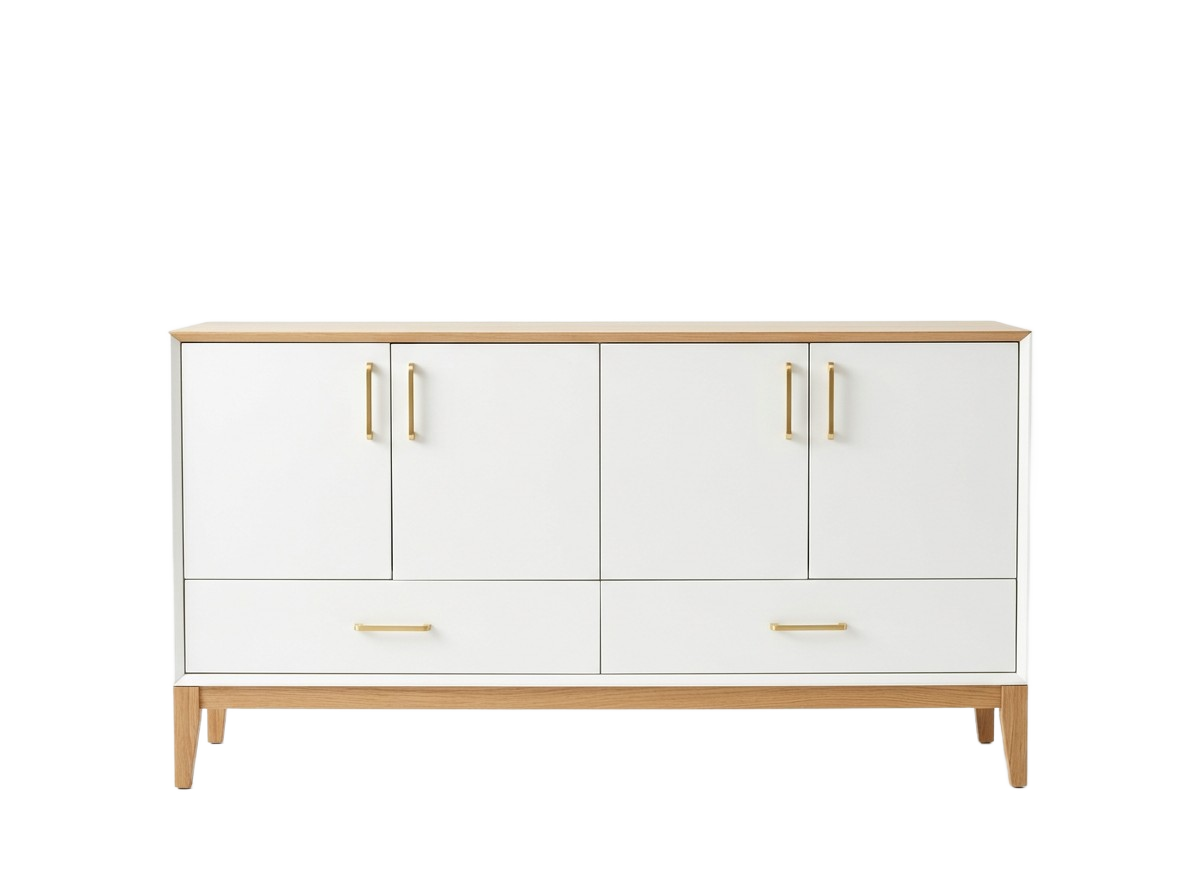
Configure
Material
Size
Handles
The problem
Your customers want to configure. Your tools can't keep up.
Most of our customers come to us with the same problem. They sell something complicated — say, commercial seating with twelve frame options, forty fabrics, and a price that depends on whether the buyer wants casters — and they're running the whole thing out of a spreadsheet someone built in 2019. Plus a PDF catalog. Plus two people in sales who happen to know which combinations are actually buildable.
It works until it stops working. Wrong orders. Quotes that take three days when they should take fifteen minutes. A new hire who can't quote anything on her own for six months because nobody has written down what Mike knows.
The product configurator software market is supposed to hit $2.9 billion by 2033, nearly triple where it is now. Buyers close faster when they can see what they're ordering. They return less, too.
Most businesses solving this problem today are choosing between spreadsheet workarounds and product configurator software that wasn't built for their actual products.
The obvious move is to buy a configurator off the shelf. We've watched a lot of companies try this. The tools are built for generic products, so the minute you need your own pricing rules, or a connection to the ERP you've been running for fifteen years, or a buying experience that doesn't look like a Salesforce form, you're stuck building around the tool instead of with it.
More on how off-the-shelf product configurator tools compare to custom builds: CPQ vs. product configurator →
What we build
Everything your product configurator software needs to work.
Configuration & rules
The logic that decides what is buildable, what it costs, and whether the discount applies. That is what we build. Real-time checks so buyers cannot order something impossible. CPQ hooks in when the quoting gets complicated.
CPQ vs. Configurator →Visualization
The visual product configurator layer — 2D or 3D, depending on what your product demands. WebGL, AR if it makes sense. We make it fast on mobile and match your brand, not a SaaS template.
3D vs. 2D →Integration
We plug the configurator into whatever you are already running — SAP, Epicor, your CRM, the ecommerce platform. The point is that a finished configuration should trigger something downstream, not land in an inbox.
Configurators for manufacturing →Ongoing support
Managed hosting, performance optimization, new feature development. No per-seat or per-transaction fees. When your products change, the configurator changes with them. We do not hand off and disappear. This is infrastructure your business runs on, and we treat it that way.
How our platform works →Our process
Discovery to deployment in four weeks.
Week 1
Discovery
We learn your products, your rules, your systems, your pain points. By the end of the week, you have a working prototype you can click through.
Week 2
Design & Build
Real configuration logic goes in. Pricing gets wired up. 3D visualization pipeline if you need it. You give feedback, we iterate.
Week 3
Integration & Testing
ERP connectivity, CRM sync, BOM generation. We test every configuration path. You test with real users. We keep going until it's right.
Week 4
Launch & Ongoing
Your configurator goes live on our managed platform. Hosting, updates, and support included. When your products change, we update with you.
Case studies
What we've built.

Manufacturing
Custom furniture configurator with automated BOM generation
Built a 3D visual configurator for a custom furniture manufacturer. Customers select dimensions, materials, and finishes — the system validates combinations, calculates pricing, and generates manufacturing-ready BOMs.
Who we are
We've shipped at every scale that matters.
PCS was started by two Duke engineers who got tired of watching companies burn six figures and six months on configurator projects that should have taken weeks. Before this, we built a generative AI platform that reached over a million monthly visits. David previously worked on robotics at Amazon and co-founded a medical device company making low-cost portable ventilators.
We run everything on our own development platform — the same infrastructure our AI product uses at scale. It's how we deliver custom product configurator software in four weeks instead of four months. Maintenance is included.

Rohit Das
Co-Founder
Duke University. Co-founded a generative AI platform with 1M+ monthly visits.
LinkedIn →
David Laub
Co-Founder
Duke — BS Mechanical Eng, MS Computer Eng. Amazon Robotics. Co-founded Ventis Medical.
LinkedIn →Get started
Tell us about your project.
We'll get back within 1-2 business days with an honest assessment and quote.
FAQ
Frequently Asked Questions About Product Configurator Software
What exactly is product configurator software?
It replaces the process where someone emails sales, sales checks a spreadsheet, and ops says whether it is buildable. Buyer picks options instead, sees the product change, gets a price, and submits something that actually works. No back-and-forth.
How much does a custom product configurator cost?
Depends on the project, but we will give you a real number — line items, not a vague range — within a couple days of a scoping call. 2D with real logic runs $20K–$40K. Full 3D plus CPQ plus ERP is $80K–$150K.
How long does it take to build one?
Four weeks for most projects. The things that push it longer: a very large configuration space, 3D visualization, a lot of integrations. The things that do not push it as long as people expect: complexity of the rules, because that is actually where we move fastest. The reason we can do it in four weeks is that we built our own development platform — not because we are skipping steps.
Should I build custom or buy off the shelf?
Sometimes off-the-shelf is the right call — if your product is straightforward and the vendor covers your integrations. It stops working when your pricing is weird, your ERP is old, or the interface needs to feel like your brand. At that point you are paying someone to customize their product instead of building yours.
What industries do you work with?
Mostly manufacturing and ecommerce. On the manufacturing side — furniture, windows and doors, industrial equipment, packaging. The configuration space in windows alone gets absurd. On the ecommerce side, we build ecommerce product configurator experiences for D2C brands where customization is part of what they sell. We have done some B2B services work too, though less of it.
Can you build a 3D product configurator?
Yes — WebGL, no plugins, browser-native. AR too if the product needs it. The honest trade-off is mobile performance. 3D is heavier. For products where spatial understanding matters — furniture, architectural stuff — it is worth it. For flat products, 2D compositing is faster, cheaper, and usually converts the same.
Where is your team based?
Both of us went to Duke. Rohit built our AI platform and runs product here. David did mechanical and computer engineering, worked on robotics at Amazon, then co-founded a ventilator startup. You are talking to the people building the thing — no handoff layer, same time zone.
Do you maintain the configurator after launch?
Yes. Products change — you drop a finish, add a size, reprice a tier — and the configurator has to keep up. Hosting, updates, and fixes are all included. We have heard enough horror stories about agencies disappearing after launch to know that is not how we want to do it.